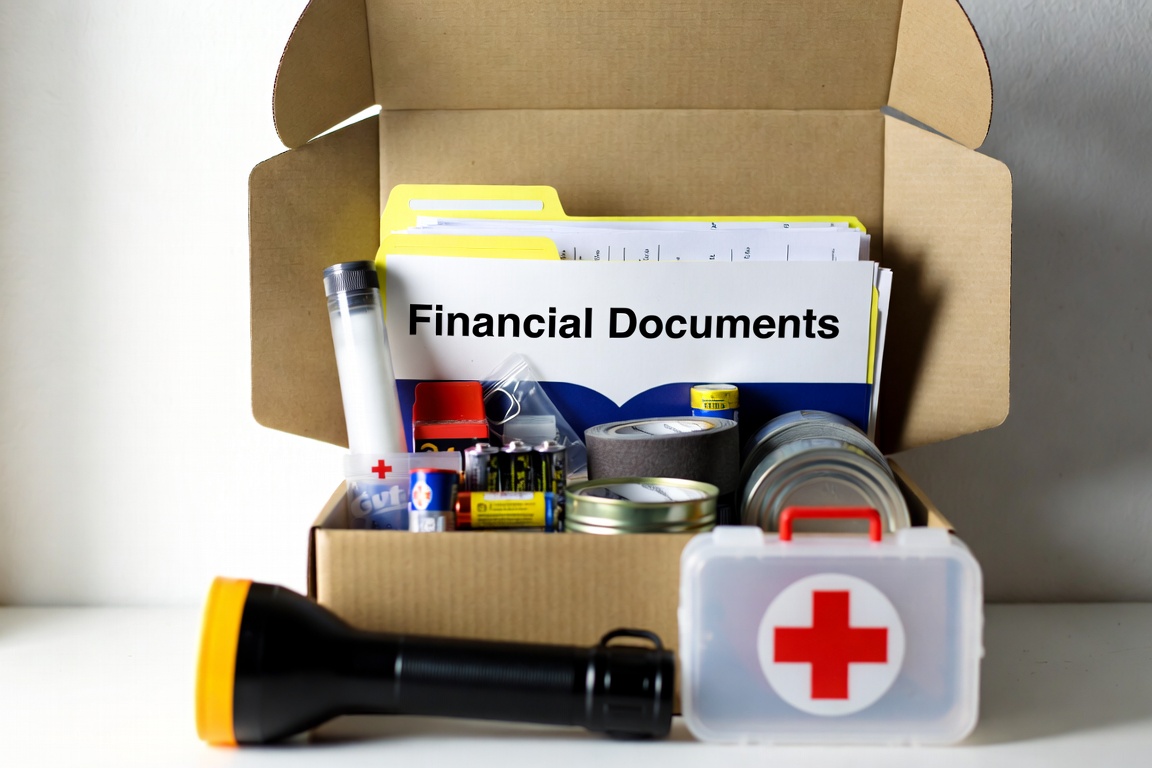
The Household Emergency Kit: Financial Edition
Most households prepare physically for emergencies. The financial emergency kit is equally important — and most households do not have one.
Financial Emergency Preparedness
Households that prepare for physical emergencies — stocking supplies, having evacuation plans, keeping important documents accessible — recognize that emergencies require advance preparation to handle effectively. Financial emergencies work the same way: they are handled far better by households that prepared in advance than by those who face them without preparation.
The financial emergency kit is a combination of actual savings, organized documentation, and knowledge of available resources. Here is what it should include.
The Cash Reserve Component
The most important financial emergency kit element is cash in a savings account: accessible, separate from regular spending, and maintained specifically for genuine emergencies. The initial goal is $500 to $1,000 — enough for the most common emergency expenses. The complete goal is three to six months of essential expenses. Build it before it is needed; once you need it, it is too late to build.
The Document Component
The documentation component of the financial emergency kit includes: a list of all accounts (bank, investment, insurance) with account numbers and contact information; all insurance policies with policy numbers and claims phone numbers; the location and access information for any estate documents; and a record of all recurring bills with account numbers and payment information. This documentation, organized and accessible to trusted family members, is critical during crises when the usual financial manager may not be available.
The Knowledge Component
Knowing what resources are available before you need them is the third component. Which assistance programs exist for utility emergencies in your area? What is your utility company’s payment assistance policy? What hardship options does your bank offer? What local emergency resources exist for housing, food, and financial assistance? This knowledge, acquired in advance, allows you to access help quickly when it is needed rather than spending valuable time researching during a crisis.
- Funded emergency savings account
- Document list for all accounts and insurance policies
- Trusted family member who knows where everything is
- Knowledge of local emergency assistance resources
- Creditor contact information for proactive communication
Disclosure: This site may receive compensation when you click on links or complete offers through our partners. Content is for informational purposes only and does not constitute financial advice.