Household Financial Goals That Stick
Household financial goals fail more often from poor design than from lack of intention. Here is how to design goals that you will actually achieve.
Why Goals Fail
Most household financial goals fail not because of inadequate motivation but because of inadequate design. Vague goals — “save more,” “get out of debt,” “be better with money” — provide no clear action and no clear measure of success. They generate initial energy but no sustained direction. When the next competing priority arrives, there is nothing specific to hold onto.
Well-designed financial goals are specific, measurable, time-bound, and connected to a motivation that is genuinely compelling. The design work — done once, before execution begins — dramatically increases the probability that the goal is achieved.
The Specificity Requirement
A specific financial goal has a number, a timeline, and a named first action. “Save $3,000 in a separate savings account by December 31, starting with a $200 transfer this Friday” is specific. “Save more” is not. The specificity requirement seems obvious but most household financial goals are stated vaguely, and the vagueness is why they fail. Write every financial goal in specific terms before committing to it.
The Motivation Connection
Financial goals disconnected from genuine motivation do not survive competing priorities. “Pay off the credit card” as an abstract objective is not as durable as “pay off the credit card so we have $300 per month freed up to put toward the vacation we have been talking about for three years.” The second version connects the financial goal to something that actually matters to the household. That connection provides the motivation to continue when the routine becomes tedious.
Household Alignment
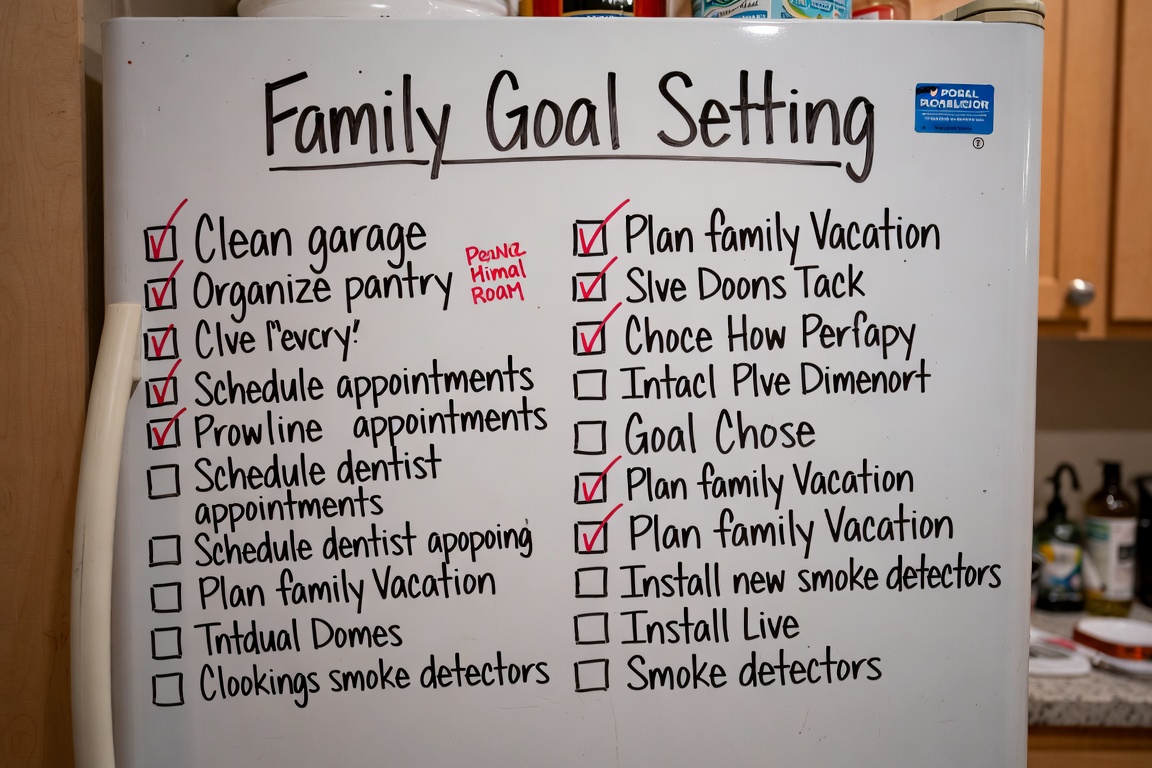
For households with more than one adult, financial goals require genuine alignment — not one person’s goals imposed on the household but goals that both people genuinely commit to. Goals imposed by one partner on another rarely survive the first significant sacrifice they require. Goals that both partners helped design and both genuinely want tend to survive much longer. Spending time discussing and negotiating household financial priorities before setting specific goals is not inefficiency — it is the foundation of goal durability.
Disclosure: This site may receive compensation when you click on links or complete offers through our partners. Content is for informational purposes only and does not constitute financial advice.